
Are you wondering whether your corn snake is truly enjoying life in its terrarium? Many reptile owners, both new and experienced, often ask: How can I know if my corn snake is happy? This question is essential, as a contented corn snake isn’t just healthier—it’s also more active and engaging. In this article, I’ll break down the signs of happiness in corn snakes using simple explanations and relatable analogies. Get ready to unlock the secrets of reptile well-being!
Understanding Corn Snakes and Their Needs
Corn snakes are one of the most popular pet reptiles thanks to their gentle nature and striking colors. Think of your corn snake as a houseplant: it needs the right environment, care, and attention to thrive. According to the American Association of Reptile Keepers, reptiles like corn snakes rely on their owners for safety and comfort ([AARK, 2022]).
Active Exploration: Movement Matters
A happy corn snake will often explore its enclosure. Imagine a child in a playground—if your corn snake is slithering around, climbing branches, or investigating hides, it’s likely feeling secure and content. In contrast, if it’s always hiding or barely moving (like someone staying in bed all day), it might be stressed or unwell.
“My corn snake loves to poke around every corner after feeding day—it’s like watching a curious cat!” says reptile keeper Jamie L., from Houston.
This active behavior is a positive sign that your reptile is comfortable in its home.
Eating Well: Appetite as an Indicator
Just as humans celebrate a good meal, corn snakes show happiness through regular feeding. If your snake accepts food consistently and with enthusiasm, that’s awesome! A declining appetite can signal stress or health issues. Remember: appetite in reptiles fluctuates with shedding cycles and temperature changes, but persistent refusal may require attention.
Shedding Success: Smooth Skin Changes
Corn snakes shed their skin as they grow—a process called ecdysis. Think of this like changing into fresh clothes after a workout; if the old skin comes off in one piece and the new skin looks vibrant, your snake is likely healthy and content. Difficult sheds (patchy or incomplete) may indicate humidity problems or stress.
Calm Demeanor: Handling Without Stress
When you handle your corn snake, does it remain calm? A happy reptile will gently explore your hands or arms without frantic movements or attempts to escape—similar to how a relaxed dog enjoys being petted. If your corn snake hisses, strikes, or tries desperately to flee every time you interact with it, it may be anxious.
“After a few weeks of letting my corn snake settle in, she started gliding across my palms during handling sessions—no more nervous twitching!” shares Tom G., a reptile hobbyist.
Healthy Appearance: Bright Eyes and Smooth Scales
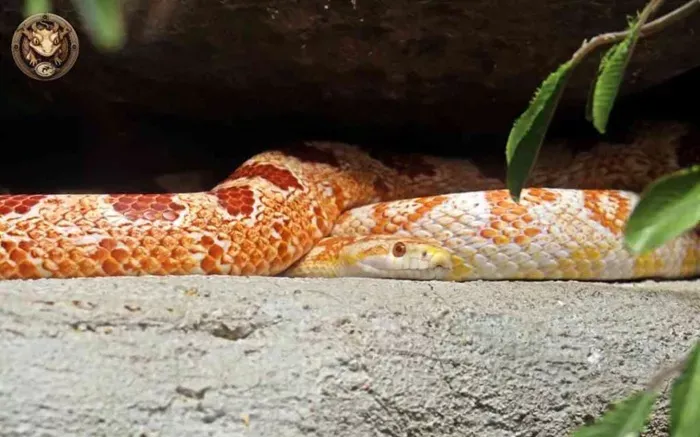
Look closely at your corn snake’s physical condition. Shiny scales and clear eyes are signs of good health and happiness. Dull coloration or sunken eyes might mean dehydration or illness—just as humans look tired when they’re not feeling well.
Restful Hiding: Using Hide Boxes Appropriately
Corn snakes love cozy hideouts! If yours uses its hide box for restful periods but also comes out regularly to explore or bask, that’s perfect balance. Constant hiding could be a sign of stress, while never hiding might indicate discomfort with the environment.
Responsive Behavior: Engaging with Its Environment
Does your corn snake respond to environmental changes? For example, when you adjust lighting or add new décor, does it investigate? This curiosity shows mental stimulation—a key part of reptile happiness. Imagine how we feel when redecorating our rooms; novelty excites us!
No Signs of Stress: Watch for Warning Signs
Unhappy corn snakes may display certain behaviors:
- Excessive hiding or burrowing
- Refusing food for long periods (beyond normal shedding cycles)
- Fast, jerky movements (like someone pacing nervously)
- Unusual aggression during handling
- Difficulty shedding skin or visible wounds
If you spot these signs regularly, review husbandry conditions—temperature, humidity, enclosure size—and consult a reptile veterinarian if needed.
Conclusion: Creating Happiness for Your Corn Snake
Ensuring your corn snake’s happiness means providing proper care—a spacious enclosure, correct temperature gradients (think warm sunny spots and cool shade), fresh water, safe hides, and regular feeding. Monitor its behavior for signs of joy: active exploring, healthy shedding, enthusiastic eating, calm handling sessions, and vibrant appearance.
Remember: observing your pet reptile closely is the key to understanding its needs. By staying attentive and proactive, you’ll help your corn snake lead an awesome life—bringing both you and your scaly companion endless fascination! Don’t miss out on these cues; they’re the secret language of reptile happiness.
Related topics: