
Have you ever wondered why some reptiles have such striking names? The “blood python” isn’t just a spooky title—it carries a story as vivid as its appearance. Today, let’s unravel the mystery behind the name “blood python” and discover what makes Python brongersmai stand out among reptiles. Get ready for a fascinating journey—don’t miss it!
What Is a Blood Python?
The blood python, scientifically known as Python brongersmai, is a nonvenomous snake native to Southeast Asia. Unlike some other python species, blood pythons are known for their robust bodies and relatively short tails. If you imagine a typical garden hose—thick and sturdy—that’s how these reptiles might look compared to their slender cousins. They belong to the family Pythonidae, sharing their roots with many other well-known snakes.
The Origin of the Name: It’s All About Color
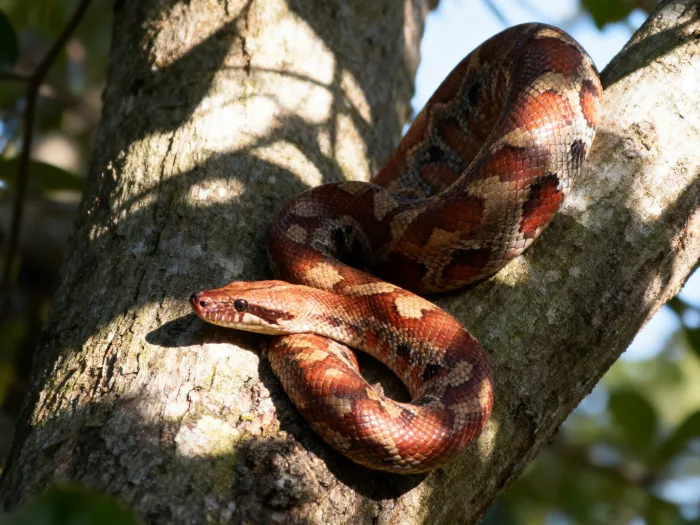
You might think “blood python” refers to something scary or dangerous, but it’s actually all about the snake’s stunning color. Most blood pythons display a rich palette of reds and oranges—sometimes as bright as a ripe tomato or as deep as rusted iron. This vibrant coloration is what inspired the common name “blood python.” Just like calling a bright red apple a “fire apple,” the term highlights their eye-catching look.
Not all blood pythons are red, though. Some individuals can be yellow or brown, but it’s those with the most intense red hues that capture attention—and earned the species its memorable name. According to IUCN, Python brongersmai is listed as Least Concern, so you can admire them knowing they’re not at immediate risk.
Where Do Blood Pythons Live?
Blood pythons are found across peninsular Malaysia, eastern Sumatra, Bangka Island, and other islands in the Strait of Malacca—including Lingga, Riau, Pinang—as well as parts of Thailand and Vietnam. Picture marshes and tropical swamps surrounded by lush forests; this is their preferred habitat. Imagine walking through a damp rainforest—these reptiles are often hidden in places where water and dense vegetation meet.
Physical Traits: Built Like a Tank
If you’ve seen a blood python up close, you’ll notice they look somewhat “overweight” compared to other snakes. This isn’t due to poor health—it’s their natural build! Adult males typically reach 91–152 cm (about 3–5 feet), while females can grow even larger, up to 180 cm (almost 6 feet). Their stocky structure helps them move through thick undergrowth and stay protected from predators.
The head is usually grey with a distinctive white stripe running behind the eye—a bit like someone wearing cool racing stripes on their helmet!
Behavior: Dawn and Dusk Movers
Blood pythons are crepuscular; they’re most active during dawn and dusk. If you’ve ever watched your pet cat become lively at sunrise or sunset, you’ll see similar behavior in these reptiles. During these times, blood pythons hunt for prey or move about their territory.
Reproduction: Nature’s Incubator
Females lay up to 30 eggs at once—a sizable clutch! Here’s an amazing fact: instead of leaving her eggs exposed, a female blood python coils around them and shivers her body to generate heat. It’s like wrapping your hands around a mug of hot cocoa on a chilly day—the mother keeps her eggs warm until they hatch.
Personality: From Wild to Mild
Historically, blood pythons had a reputation for being unpredictable and aggressive, especially wild-caught adults from Malaysia. But thanks to captive breeding programs—particularly with stock from Indonesia (Sumatra)—many keepers now report that young blood pythons raised in captivity grow into calm, predictable adults.
As reptile hobbyist Tom Baker shared on his blog, “My first blood python was fiery at first but mellowed out with regular handling—it was awesome watching him change!” These stories help demystify their temperament for new reptile owners.
Commercial Value: More Than Just Pets
Blood pythons aren’t just popular in reptile collections; they’re also part of the commercial leather trade due to their unique skin patterns and colors. However, according to Natusch et al., 2016, there are concerns about misreported and illegal trade involving thousands of blood pythons each year. Conservationists urge responsible sourcing to ensure sustainability.
Conclusion: The Vibrant Legacy of Blood Pythons
So why are blood pythons called blood pythons? It all boils down to their dramatic coloration—a feature that sets them apart among reptiles and makes them highly sought after by enthusiasts worldwide. Whether admired in nature or as part of responsible collections, Python brongersmai remains an iconic representative of Southeast Asia’s rich biodiversity.
Understanding these snakes doesn’t require expert-level knowledge; just like appreciating a beautiful sunset or colorful flower, anyone can marvel at the blood python’s striking appearance and fascinating life story. Next time you hear the name “blood python,” remember it’s not about danger—it’s about nature’s artistry at its most vibrant!
Related topics: