
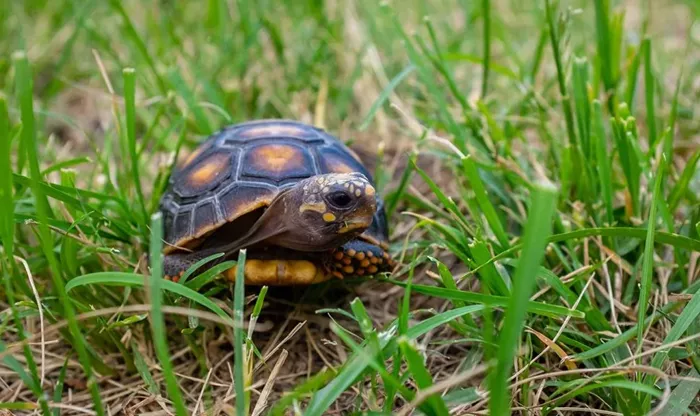
If you’ve ever cared for red-footed tortoises, you know how exciting it can be when your female starts behaving differently. But how do you really know if she’s pregnant? Unlike mammals, tortoises don’t show a baby bump, so many keepers feel confused or anxious. Don’t worry—this guide will help you identify the signs of a pregnant red-footed tortoise, understand her needs, and make sure she stays healthy during this critical time.
Understanding Red-Footed Tortoise Reproduction
Before we dive into the signs of pregnancy, it’s important to understand how reproduction works in red-footed tortoises. These reptiles are oviparous, which means they lay eggs rather than giving birth to live young.
Mating Behavior:
When a male red-footed tortoise is ready to mate, he will often chase the female around the enclosure. You might notice loud grunting sounds or head bobbing. This is normal courtship behavior.
Egg Development:
Once the female mates, fertilization occurs internally. Her body then begins producing eggs in her ovaries. You won’t see them immediately, but changes in her behavior and physical condition will start to appear after a few weeks.
Think of it like baking a cake—you don’t see the cake batter rise instantly, but small changes indicate that something is happening inside the oven.
Behavioral Signs of Pregnancy
One of the easiest ways to tell if your red-footed tortoise is pregnant is to watch her behavior closely. Many tortoises show subtle but clear signs.
1. Increased Appetite
A pregnant female may eat more than usual. She is preparing her body for the energy-intensive process of egg development. Sometimes she prefers softer foods like fruits instead of her usual leafy diet.
2. Restlessness
You may notice your tortoise pacing or digging in the substrate. This is natural—she is searching for a place to lay her eggs. Imagine a human nesting instinct; it’s the same idea.
3. Less Activity at Certain Times
Oddly, some females may become slower or more withdrawn. This is because carrying eggs can make them feel heavier and more cautious.
4. Aggression or Defensive Behavior
Pregnant females sometimes snap or hiss more than usual, especially if disturbed. This is their natural protective instinct, similar to a mother bird defending her nest.
If you see these behaviors, it’s a good idea to prepare a safe and comfortable nesting area for your tortoise. Keep reading to find out what this looks like.
Physical Signs of Pregnancy
Observing your tortoise’s body condition can provide strong clues about pregnancy. Here are the most reliable signs:
1. Swollen Abdomen
As eggs grow, the female’s abdomen may look slightly swollen. Unlike mammals, the swelling may not be very obvious at first. Use gentle palpation: with clean hands, feel the lower abdomen for firm, round shapes.
2. Plastron Shape Changes
The plastron (the bottom shell) may slightly lift or curve to accommodate developing eggs. It’s subtle, but with experience, keepers can notice this change.
3. Tail Position
Pregnant tortoises often hold their tail higher or to the side to make room for eggs. Comparing her current tail posture to her normal posture can help you detect differences.
4. Weight Gain
You may notice a gradual weight gain over several weeks. Keep a simple scale near her enclosure and record her weight weekly. A consistent increase can indicate egg development.
Environmental and Health Factors Affecting Pregnancy
A red-footed tortoise’s environment has a big impact on successful pregnancy and egg-laying.
1. Temperature and Humidity
Pregnant females need warm, stable temperatures around 80–85°F (27–29°C) during the day and slightly cooler at night. Humidity should be around 70–80% to prevent dehydration and assist in egg development.
2. Diet and Nutrition
Calcium is crucial for healthy eggshells. Provide a calcium supplement or cuttlebone, and a diet rich in leafy greens, squash, and fruits. Avoid excessive protein, which can stress the kidneys.
3. Stress Factors
Too much handling, loud noises, or an inappropriate enclosure can stress a pregnant tortoise. Stress can delay egg-laying or cause egg binding (dystocia). Think of it like humans trying to sleep in a noisy room—stress affects biological processes.
How to Confirm Pregnancy with a Veterinarian
Sometimes behavioral and physical observations aren’t enough. A veterinarian specializing in reptiles can provide confirmation.
1. X-Rays
X-rays are the most reliable method. They can show egg position, size, and number inside the female.
2. Ultrasound
Some vets use ultrasound to detect developing eggs, especially early in the pregnancy. This method avoids radiation exposure and can give insights into egg health.
3. Palpation by an Expert
Experienced vets can often feel eggs in the female’s abdomen without imaging. This requires gentle handling to avoid harming the tortoise.
If you want certainty about pregnancy, a vet visit is the safest option.
Preparing for Egg-Laying
Once you suspect your red-footed tortoise is pregnant, it’s time to prepare for egg-laying.
1. Nesting Box Setup
Provide a box with moist sand or soil deep enough for digging. The female will instinctively search for a place to bury her eggs.
2. Privacy and Safety
Pregnant tortoises need quiet and privacy. Avoid unnecessary handling and keep other pets away.
3. Monitoring
Check her substrate daily for signs of digging. Digging is a positive sign—it usually means eggs will be laid within 1–2 weeks.
4. Post-Laying Care
After laying, the female may be tired. Provide extra hydration and soft food to help her recover.
Common Problems During Pregnancy
Unfortunately, not all pregnancies go smoothly. Knowing the risks can help you act quickly.
1. Egg Binding (Dystocia)
Sometimes eggs get stuck in the reproductive tract. Signs include refusing food, straining, or lethargy. This is a medical emergency, and a vet should be consulted immediately.
2. Nutritional Deficiencies
Insufficient calcium or vitamin D3 can result in weak eggshells or health issues for the mother. A well-balanced diet is essential.
3. Stress-Induced Delays
Stress can delay egg-laying or cause the female to abandon the nesting area. Ensure her environment is stable and comfortable.
Fun Facts About Red-Footed Tortoise Pregnancy
Egg numbers vary: Red-footed tortoises usually lay 2–12 eggs per clutch, but it can differ based on age and health.
Multiple clutches: A female may lay 2–3 clutches per year under ideal conditions.
Long incubation: Eggs take 90–120 days to hatch, depending on temperature and humidity.
Many owners are surprised to learn how resilient and patient these tortoises can be. One owner shared that her female laid eggs two weeks after digging obsessively in a tiny corner, proving that instincts are powerful.
Summary and Next Steps
Identifying pregnancy in a red-footed tortoise involves watching behavior, observing physical changes, and providing the right environment. While gentle palpation and observation can give clues, consulting a reptile vet is the most reliable method.
Once pregnancy is confirmed, your focus should be on creating a safe, comfortable nesting area, providing nutrition and hydration, and minimizing stress. By doing so, you support both the mother and her future hatchlings.
Unlock the amazing experience of watching your red-footed tortoise become a mother. It’s truly a special journey for reptile lovers!
Related topics: